

How To Download Linux On Windows

Want to install Linux? It's an easier process than you might think! You tin even attempt Linux on your PC before you install information technology. If yous don't similar it, simply reboot and you'll be back to Windows. Hither's how to get started with Linux.
Cull a Linux Distro and Download It
First, you'll demand to choose a Linux distribution you want to utilise. Linux distributions packet up the Linux kernel and other software into a complete operating system y'all can apply. Different Linux distributions take unlike system tools, desktop environments, included applications, and visual themes.
Ubuntu and Linux Mint are still some of the most popular Linux distributions. We actually like Manjaro, too. There are many, many other options—there'south no wrong respond, although some Linux distributions are intended for more technical, experienced users.
Once y'all've picked your Linux distribution of choice, visit its website and download its installer. You lot'll get an ISO file, which is a disc image file containing the Linux distribution's installation files.
Sometimes, you'll be asked to cull between 32-bit and 64-bit distributions. Nigh mod computers take 64-bit-capable CPUs. If your computer was made in the last decade, you should choose the 64-fleck system. Linux distributions are dropping support for 32-fleck systems.
RELATED: The Best Linux Distributions for Beginners
Create Bootable Installation Media
To boot, try, and install the Linux organization you downloaded, you lot'll need to create bootable installation media from your ISO file.
There are several ways you can practice this. If you have a writeable DVD you want to use, you can burn the ISO file to disc using the "Burn disc paradigm" function in Windows. Yet, you'll probably want to utilise a USB drive instead—USB drives are faster than DVDs and will work on any estimator with a DVD drive.
Here's what you'll need to create a bootable Linux USB drive on Windows:
- The ISO file for your Linux distribution of option.
- The costless Rufus software. Ubuntu's official instructions recommend Rufus, too.
- A USB drive of at least 4 GB in size. Some Linux distributions may need larger drives if they have larger installers, but 4 GB should be fine for most Linux distributions, including Ubuntu. (Alert: The contents of the USB drive you use will be erased.)
Launch Rufus and insert your USB flash drive into your computer to get started. First, in the "Device" box, select your USB bulldoze. Second, click the "Select" button and browse to the ISO file you downloaded. 3rd, click the "Commencement" button to create the USB bulldoze.
You may see a few warnings. Accept the default options: Click "Yeah" if you're prompted to download additional files, and click "OK" if you're prompted to write in ISO mode. Finally, you will be warned the Rufus will erase all files on your USB drive—ensure you've backed upwards whatsoever important files and click "OK" to proceed.
Rufus will create your USB installer bulldoze, and you'll see the progress bar at the lesser of the window fill up. When it's a full green bar reading "Ready," you can click "Close" to end the process.
RELATED: How to Create a Bootable Linux USB Flash Drive, the Easy Way
Boot Your Linux Installation Media
If you're booting the Linux organization on the same computer you created installation media on, you lot don't even need to unplug your USB drive. You'll only accept to reboot your PC and kick it from the Linux installation media.
To practice and so, select the "Restart" option in Windows. Your PC may automatically boot from the inserted USB drive and into Linux.
If your estimator only boots back into Windows, you may have to press a certain key to access a boot device menu and select it during the installation process. Common keys you may have to press during the boot procedure include F12, Escape, F2, and F10. You may encounter this key displayed on screen during the boot process.
You may also have to access your BIOS or UEFI firmware settings screen and modify the kick gild. The exact process will depend on your model of PC. Check your PC's instructions for more than information. (If you congenital your own PC, bank check the motherboard's instruction manual.)
RELATED: How to Boot Your Computer From a Disc or USB Drive
What Nigh Secure Boot?
Modern PCs with UEFI firmware—generally, PCs that came with either Windows x or Windows 8—accept a feature called Secure Boot. They're designed not to kicking unapproved operating systems, which should help protect you lot from rootkits and other malware.
Some Linux distributions, similar Ubuntu, are designed to piece of work with Secure Kick and employ a special Microsoft-signed bootloader, letting them run on your system. Other Linux distributions may crave you disable Secure Boot earlier they can boot.
However, in many situations, your Linux distribution should merely boot normally. If Linux boots, don't worry near Secure Boot. If you lot run across a Secure Boot error message and Linux doesn't boot, check your Linux distribution'southward documentation for more than data—and consider disabling Secure Boot on your PC.
RELATED: How to Boot and Install Linux on a UEFI PC With Secure Kicking
Try Linux
With Linux booted, you'll become a "live" Linux desktop y'all can use just as if Linux was installed on your PC. It isn't actually installed withal and hasn't modified your PC in any way. It's running entirely off the USB bulldoze you created (or the disc you lot burned.)
For instance, on Ubuntu, click "Attempt Ubuntu" instead of "Install Ubuntu" to try information technology out.
You lot tin can explore the Linux system and use information technology. Bear in mind that it will likely perform more quickly once it'south installed to your PC's internal storage. If y'all just desire to play with Linux for a bit and don't want to install information technology still, that'southward fine—just reboot your PC and remove the USB bulldoze to boot back into Windows.
If you'd similar to effort out multiple Linux distributions, yous can repeat this procedure and endeavor a bunch of them earlier choosing to install one.
(Non all Linux distributions offering a live environment you lot can play with before you lot install them, but the vast majority practice.)
Warning: Back up Before Standing
Before yous actually go through with installing Linux, we recommend backing upwardly your important files. You should always accept recent backups, particularly when yous're messing with your arrangement like this.
It should exist possible to install Linux in a dual-boot scenario and accept the Linux installer seamlessly resize your Windows sectionalization without affecting your files. Still, mistakes can happen when resizing partitions. And it would exist possible to accidentally click the wrong option and wipe your Windows partitioning.
Then, before continuing, we encourage you to back up all your important data—just in case.
RELATED: What's the Best Fashion to Support My Computer?
Install Linux
If you're happy with your Linux distribution and information technology works well on your PC, y'all tin choose to install it. The Linux distribution will be installed on an internal system bulldoze, merely like Windows.
In that location are 2 ways to do this: You lot could install Linux in a "dual-kicking" configuration, where it sits alongside your Windows operating arrangement on your hard bulldoze and lets y'all choose which operating system you want to run each time. Or, you can install Linux over Windows, removing the Windows operating system and replacing it with Linux. If you have 2 hard drives, y'all tin even install Linux on one of the hard drives and use them in a dual-boot scenario.
We recommend installing Linux in a dual-kicking configuration to give yourself the choice of which to utilize. If yous know you lot really don't want to use Windows and you want to repossess some hard disk drive space, however, go ahead and remove Windows. Just bear in heed that you lot'll lose all your installed applications and whatever files you haven't backed up.
To perform the installation procedure, run the installer from the live Linux arrangement. Information technology should be easy to find—it's by and large an icon placed on the default alive desktop.
The installation wizard will guide you through the process. Become through the installer and cull the options you want to use. Read the options carefully to ensure yous're installing Linux in the manner you want to. In particular, you should careful not to erase your Windows system (unless you want to) or install Linux onto the incorrect drive.
When the installation procedure is done, you'll exist asked to reboot your PC. Reboot and remove the USB bulldoze or DVD you installed Linux from. Your computer will boot Linux instead of Windows—or, if y'all chose to install Linux in a dual-boot scenario, you'll meet a menu that volition permit you cull between Linux and Windows every fourth dimension you boot.
Alternatively, you can buy a defended laptop for running Linux.
If you desire to reinstall Windows later, you tin can always download Windows installation media from Microsoft and use it to reinstall Windows.
The Best Linux Laptops of 2022 

Dell XPS thirteen Developer Edition
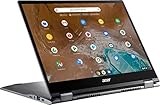
Acer Chromebook Spin 713

ThinkPad X1 Carbon Gen 9 With Linux

Purism Librem fourteen

System76 Oryx Pro

How To Download Linux On Windows,
Source: https://www.howtogeek.com/693588/how-to-install-linux/
Posted by: tolartherect.blogspot.com
0 Response to "How To Download Linux On Windows"
Post a Comment